Throughout this site we use this Peach colour to highlight information for young people with additional needs, SEND or are Neurodivergent.
“Great minds don’t always think alike”
On this page you will find:
- What is Neurodiversity?
- Why being Neurodivergent is not a bad thing.
- What young people in Suffolk say about Neurodiversity
- What is Masking?
- What is it like to have Autism?
- Resources
What is Neurodiversity?
Neurodiversity is a word used to explain the unique ways everybody’s brains work. No two brains function alike.
What is Neurodivergent?
Neurodivergent means some people’s brains work a little differently than most people’s brains. It recognises that some people think and learn in unique ways.
The term ‘neurodivergent’ is used to describe a persons alternative thinking style which these are known as:
- Dyslexia – Your brain tends to be better at creativity and visual observations rather than spelling and writing.
- DCD (Dyspraxia) – Your brain tends to better at spotting patterns, creativity and problem solving rather than coordination.
- Dyscalculia – Your brain tends to better at creativity, problem solving and using words rather than numbers.
- Autism – Your brain tends to be better at analysing, attention to detail and memorising things rather than communication.
- ADHD – Your brain tends to be better at creativity, empathy and having a unique perspective on things rather than concentration.
- Tourette’s & Tic disorders (repetitive movements/unwanted sounds) – Your brain has enhanced memory for planning and speaking languages.
- OCD – Stands for ‘Obsessive-compulsive Disorder’ and is a disorder related to anxiety. OCD is obsessional thoughts and/or compulsive behaviours.
The below video explains more about what Neurodiversity is…
Why being Neurodivergent is not a bad thing – “I see the World from a different perspective.”
Someone who is neurodivergent may need extra help in school to learn or do some things and this is okay. It is important to remember that everyone is different, and those differences can be really cool as we all have different talents.
Did you know neurodivergent people have higher ‘creative’ intelligence?
We should celebrate everyone’s unique way of thinking!
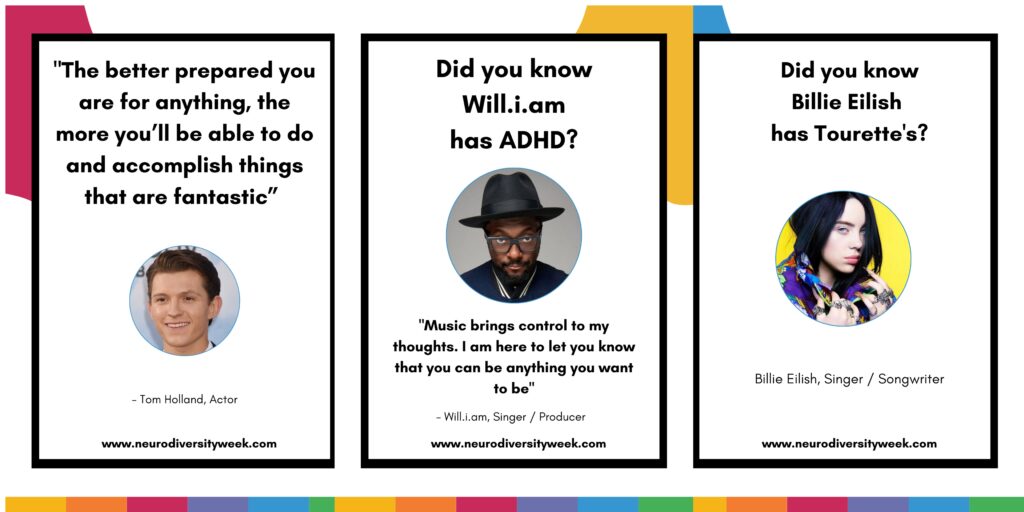
Being neurodivergent never stopped these people from achieving big things…
“Famous people who are neurodivergent –
GRETA THUNBERG – BILLIE EILISH – TIM BURTON – WILL.I.AM – DANIEL RADCLIFFE – PLUMBELLA – TOM HOLLAND – DAVID BECKHAM.”
Great neurodivergent people of the past who shaped the future
‘Not So Different’ is a neurodiversity‑affirming podcast exploring autism, ADHD, dyslexia, and the wider neurodivergent experience through the stories, behaviour, and relationships of well-known historic individuals of the past.
What young people in Suffolk say about Neurodiversity
We asked some young people – “What it is like being neurodivergent?”
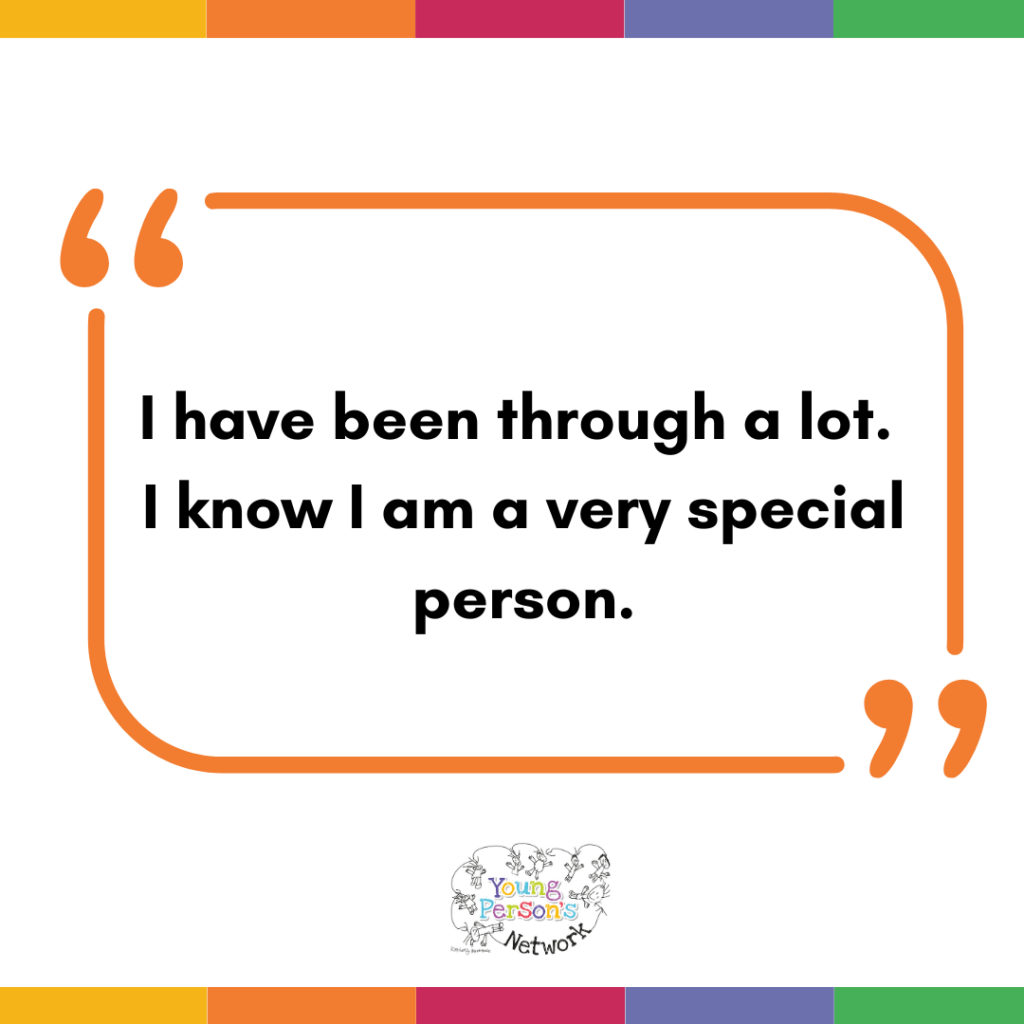
The below video clips are from young people in Suffolk who shared their experiences with us.
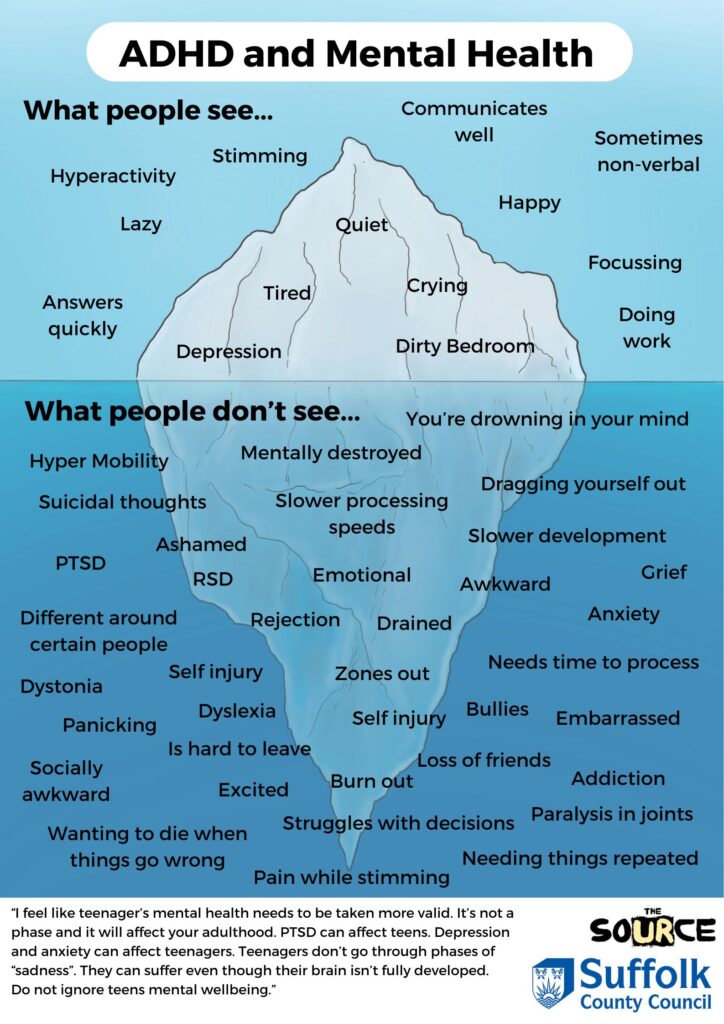
Students at Castle Manor Academy in Haverhill came up with some Iceberg illustrations that talked about what people see and what they don’t see in relation to ADHD and Mental health.
What helps me in school?
How I accepted myself as a neurodivergent person – Kooth article
What is Masking?
Masking is the act of hiding or concealing neurodivergent traits in schools and workplaces, commonly done by autistic people, for the below reasons:
- To avoid prejudice, stigma, bullying and discrimination.
- To meet social expectations and avoid social rejection.
- To hide discomfort in environments that are not autism-friendly (a lack of acceptance or accommodation of autistic characteristics.
- To cope at school and avoid negative attention or punishment (for example for moving around or stimming)
How young people feel about masking their behaviour.
- “So you don’t show people that you have something wrong with you”.
- “You can hide your emotions”,
- “No one knows what inside my head!”
- “Mum usually gets the side effects for how I feel”.
- “Masking is annoying, the affects can cause me to have a meltdown, it’s tiring”.
- “Sometimes it’s difficult to know what behaviours to mask and when? Especially with different teachers”.
Suffolk Youth Parliament Member talks about being neurodivergent as a hidden disability. Listen to Kelsey, share her experiences in the video below:
What is it like to have Autism?
The video below explains what it is like for a young people with Autism.
Resources to support neurodivergent young people in Suffolk
Neurodiversity Celebration Week Promotional Source Posters for schools and youth clubs:
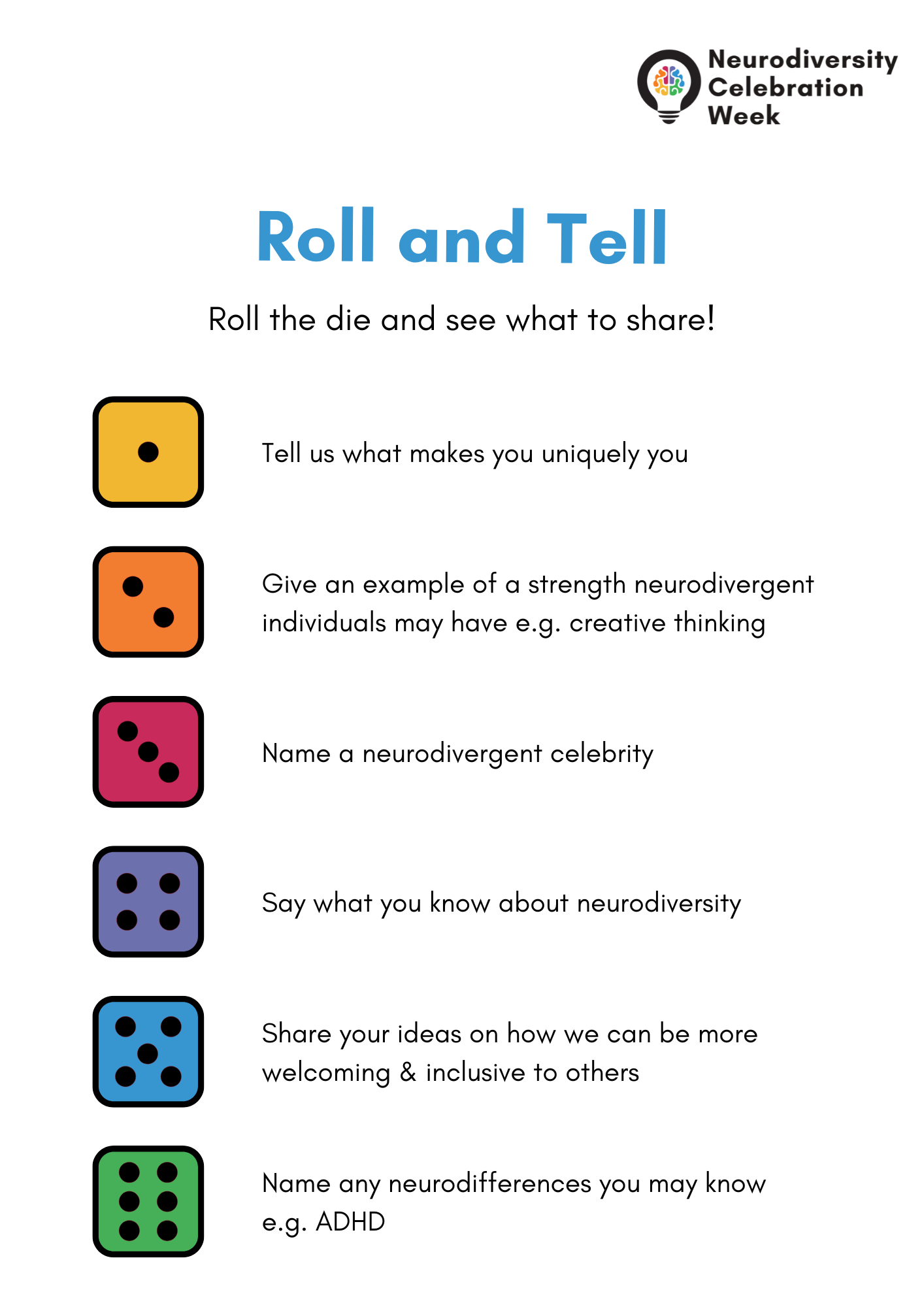
The Source asked young members of their SEND Network what helps manage their feelings and how they would like to be supported in school from their teachers and friends.
Students helped us create the poster above to support Neurodivergent young people in school.
The below websites have more useful information and support:
FYI Norfolk Autism & ADHD advice for young people
Page updated on April 22nd, 2026 at 02:21pm